Dead Rodent Removal in Waco, TX — Found, Removed and Deodorized
A dead rodent inside a wall or attic does not go away on its own — the smell only grows until the animal is found and taken out. Our dead rodent removal Waco service locates the carcass, removes it safely, disinfects the area, and neutralizes the odor. Poison often drives rodents to die inside walls and other hidden spaces, which is why the animal is so often somewhere you cannot reach yourself.
- Free inspection & written quote
- Carcass located by odor & signs
- Area disinfected after removal
- Odor neutralized at the source

Signs a Rodent Died in Your Home
The clearest sign is a strong odor that keeps getting worse instead of fading, especially when it is strongest in one room or near one wall. Flies gathering indoors, new stains, and pets fixating on one spot are the other clues homeowners notice most.
Any one of these signs is reason enough to have the home checked, because the smell does not fade until the carcass and what it soaked into are dealt with.
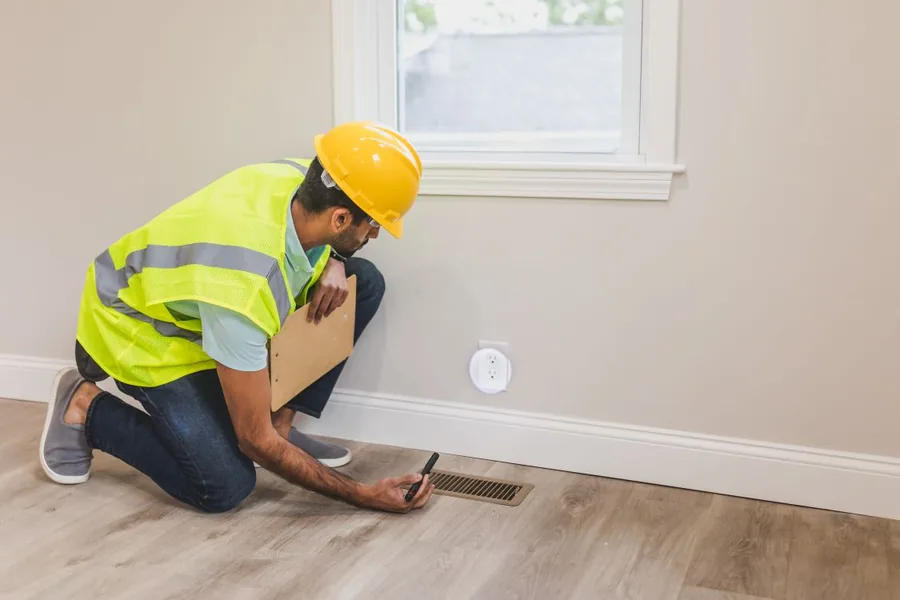
A Strong Odor That Keeps Getting Worse
A dead rodent smell builds over the first days rather than fading, and it centers on one part of the home instead of the whole house.
Flies Gathering Indoors
Flies are drawn to a carcass, so flies collecting at a window or in one room often point close to where the animal is.
Stains Appearing on a Ceiling or Wall
Decomposition fluids can seep into drywall and insulation, leaving a dark stain that slowly spreads on the surface below or beside the carcass.
Maggots Near a Vent or Baseboard
Fly larvae dropping from a vent or appearing along a baseboard mean a carcass is nearby, usually in the duct, wall or attic above.
Pets Fixating on One Spot
Dogs and cats smell what people cannot, and a pet that keeps pawing, sniffing or staring at one section of wall or floor is often right.
Odor Strongest Near Vents
Air moving through ductwork carries the smell with it, so an odor that is strongest at a supply vent often points to the attic or the ducts themselves.
Where Rodents Die Inside a Home
Rodents most often die in wall voids, attic insulation, crawl spaces, behind appliances and inside ductwork — the enclosed spaces they traveled and nested in while alive. Those are the first places checked, because a carcass is rarely out in the open.
Homeowners often describe the problem as a dead rat in wall voids or a dead mouse up in the attic — different words for the same search: follow the odor to the enclosed space where the animal stopped.
Wall Voids
The space between studs is a rodent runway, and animals that die there sit directly against the drywall you smell through.
Attic Insulation
Rodents nest in attic insulation, and a carcass buried in it spreads odor through the ceilings below.
Crawl Space
Animals that die under the home send odor up through floor vents and gaps around pipes.
Behind Appliances
The warm space behind a refrigerator, stove or water heater shelters rodents, and a carcass there is easy to miss.
Inside Ductwork
Rodents that get into duct runs can die inside them, and the system then carries the odor to every room it serves.
Rodents found in the attic are covered by our attic rodent removal service, and animals under the home by our crawl space rodent removal service.
How Does Dead Rodent Removal Work?
It works in four steps: locate the carcass, remove it safely, disinfect the area, and deodorize while the entry point is sealed. The order matters — deodorizing before the carcass is out would only mask the smell, not end it.
Locate the Carcass
Every job starts with the same odor-and-signs check behind our rodent inspection Waco service: the room, wall or vent where the smell is strongest is mapped before anything is opened.
Remove It Safely
The carcass is removed wearing protective gear and sealed for disposal as soon as it is out, so nothing it touched spreads through the house.
Disinfect the Area
The surfaces and insulation the carcass touched are disinfected, and material that cannot be cleaned is taken out with it.
Deodorize & Seal the Entry
The area is deodorized, and the opening the rodent used is closed — the work detailed on our rodent exclusion page, so the next rodent cannot follow the same route in.
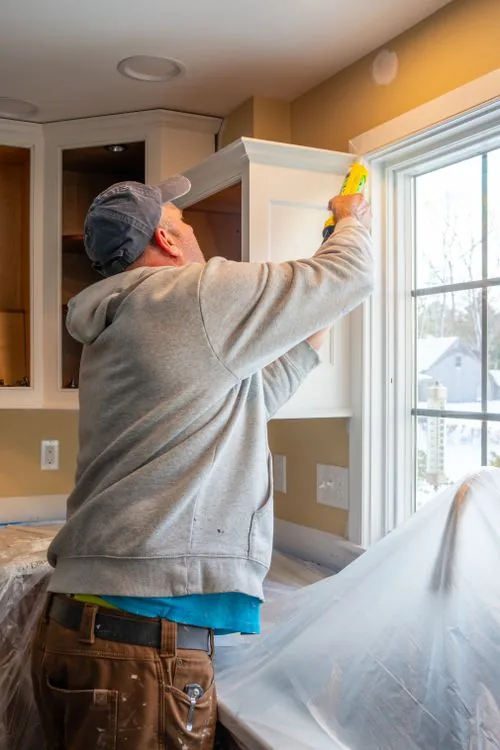
Dead Rodent Odor Removal
A dead rodent odor comes from decomposition, and it ends when the source is removed and the materials it soaked into are disinfected and deodorized. Air fresheners and candles only mask the smell for a few hours, because the carcass and the residue around it keep producing it.
The odor soaks into insulation, drywall and wood around the carcass, which is why a room can keep smelling even after the animal is found. That is why dead rodent odor removal is part of the same job as the removal itself: source out first, then disinfection, then a deodorizing treatment of the area it was in.
How long the smell lasts without removal depends on the size of the animal and the heat around it. As a typical range, a mouse may smell for days up to about two weeks, while a rat can smell for several weeks, and Texas heat speeds decomposition up. Once the carcass and contaminated material are out, the remaining odor fades as the area is treated and aired.
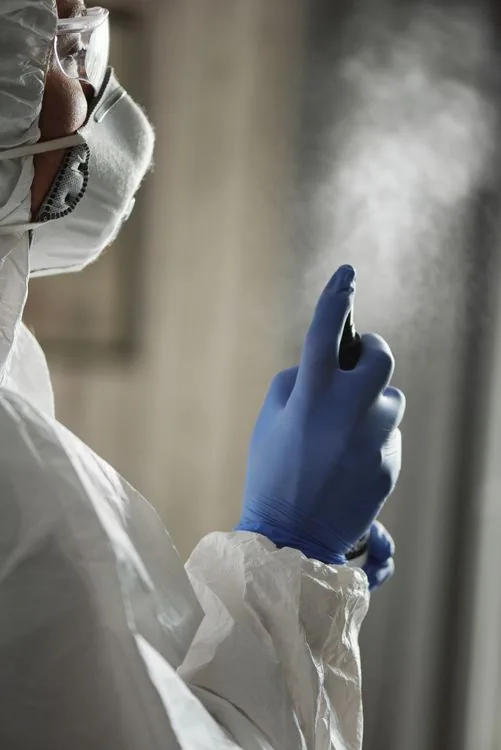
Is a Dead Rodent in the House a Health Concern?
It can be, mainly because a carcass draws flies and grows bacteria as it decomposes. Prompt removal, handled with protective gear, is what keeps that contained to the small area where the animal died.
Flies that gather on a carcass can then land on kitchen surfaces, and the fluids from decomposition carry bacteria into the insulation and materials around it. That is a straightforward sanitation problem, and it is solved by getting the carcass out and disinfecting what it touched — not by waiting for it to dry out on its own.
For that reason the carcass is handled with gloves and protective gear, sealed for disposal, and never handled bare-handed. If you find a dead rodent somewhere reachable, do not pick it up yourself; note where it is, keep pets away from the spot, and call us.