For inside a home, traps are usually the better first choice. That is the short answer. Poison used indoors risks rodents dying in walls and exposes pets and wildlife, while traps let you see and remove the catch. Poison — rodenticide bait — has a limited outdoor role inside locked, tamper-resistant stations, where it can reduce pressure around a property. This guide explains how each method works, where each one belongs, and how we decide which to use in a Waco home.
How Traps Work — and Their Strengths
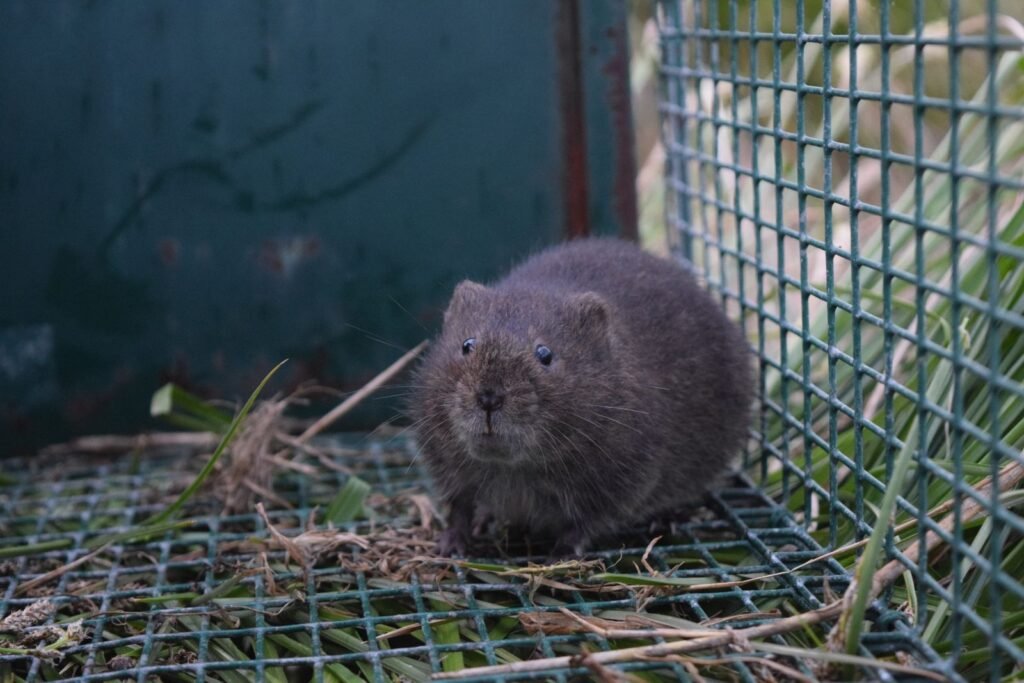
Traps work by catching the rodent at the trap, where you can find it and remove it. Snap traps are set along walls, runways, and entry points where rodents already travel, and they are often placed inside enclosed stations that shield the mechanism from children and pets. Live cage traps catch animals unharmed so they can be removed from the property, which suits some situations where a catch needs to be relocated rather than killed.
Their strengths are simple: you see and remove the catch, so you know the method worked, and no chemicals are involved. Traps also give useful information — the species caught and where it was caught point straight to the entry points that need sealing. Our rodent trapping and prevention in Waco service is built on that approach: trapping first, then prevention, so the problem does not simply return.
How Poison (Rodenticide) Works — and Its Real Risks
Poison works slowly by design, and that delay is its main risk indoors. Rodenticide bait is eaten over one or more feedings, and the rodent usually dies later, wherever it happens to be — often inside a wall void or attic, out of reach. We explain what that leads to in our guide to a dead rat in the wall smell, and our dead rodent removal in Waco service exists because those animals so often need locating and removing.
There is also a wider risk. A pet that reaches loose bait, or a dog, cat, or wild animal that eats a poisoned rodent, can be poisoned second-hand — which is why our pet-safe and eco-friendly rodent control in Waco approach keeps chemicals out of living spaces. The rule is firm: never place loose poison indoors, in attics, or anywhere a child, pet, or non-target animal can reach it.
Side-by-Side Comparison
Side by side, traps give you proof and control, while poison trades both for convenience. The table below sums up the differences that matter most in and around a home.
| Factor | Traps | Poison |
|---|---|---|
| Where the rodent dies | In the trap, where you can find and remove it | Often hidden in a wall void, attic or crawl space |
| Pet safety | No chemicals; enclosed stations shield the mechanism | Risk if a pet reaches bait or eats a poisoned rodent |
| Proof it worked | You see and count the catch | No clear proof; activity may just move or fade |
| Best used for | Inside homes, attics and living spaces | Limited outdoor use in locked stations only |
| Ongoing cost and effort | Traps are checked, emptied and reset as needed | Stations need scheduled servicing and fresh bait |
When Each Makes Sense
Traps make sense first, almost everywhere inside a home. Indoors and in attics, they are the default choice: they work where the rodents are, they confirm results, and they leave nothing hidden in a wall. Bait has one narrow place — outdoors, inside locked, tamper-resistant stations, placed away from doors and play areas and serviced on a schedule, so bait stays contained and accounted for.
Heavy outdoor pressure is the other exception. Around barns, outbuildings, and commercial sites, rodent numbers outside can be high enough that monitored outdoor stations form part of a wider plan, alongside trapping and sealing. Our commercial rodent control in Waco page covers how that works for businesses and larger properties — and even there, poison stays outside, in stations, never loose.
What to Do Next
The next step is to match the method to your home, not to guess. Start with our rodent trapping and prevention in Waco approach, or book a rodent inspection in Waco and we will check the attic, walls, and entry points, then explain plainly whether traps alone will do the job or whether outdoor stations belong in the plan.
Questions about traps, poison, or a smell you cannot place? Call Waco Rodent Pros at (254) 720-9235 — tell us what you have seen and where, and we will help you choose the safer option first.