After a flood or a heavy Central Texas storm, rodent problems often move indoors. High water pushes rats and mice out of their burrows, sewers, and low ground, and in the days that follow they look for dry, high shelter — too often, that shelter is your attic, your walls, or your garage. Waco sits on the Brazos River, and homeowners here know how quickly low ground can go under water. Here is what to do once the water goes down: how to clean up safely, which entry points to check first, and when to call a professional.
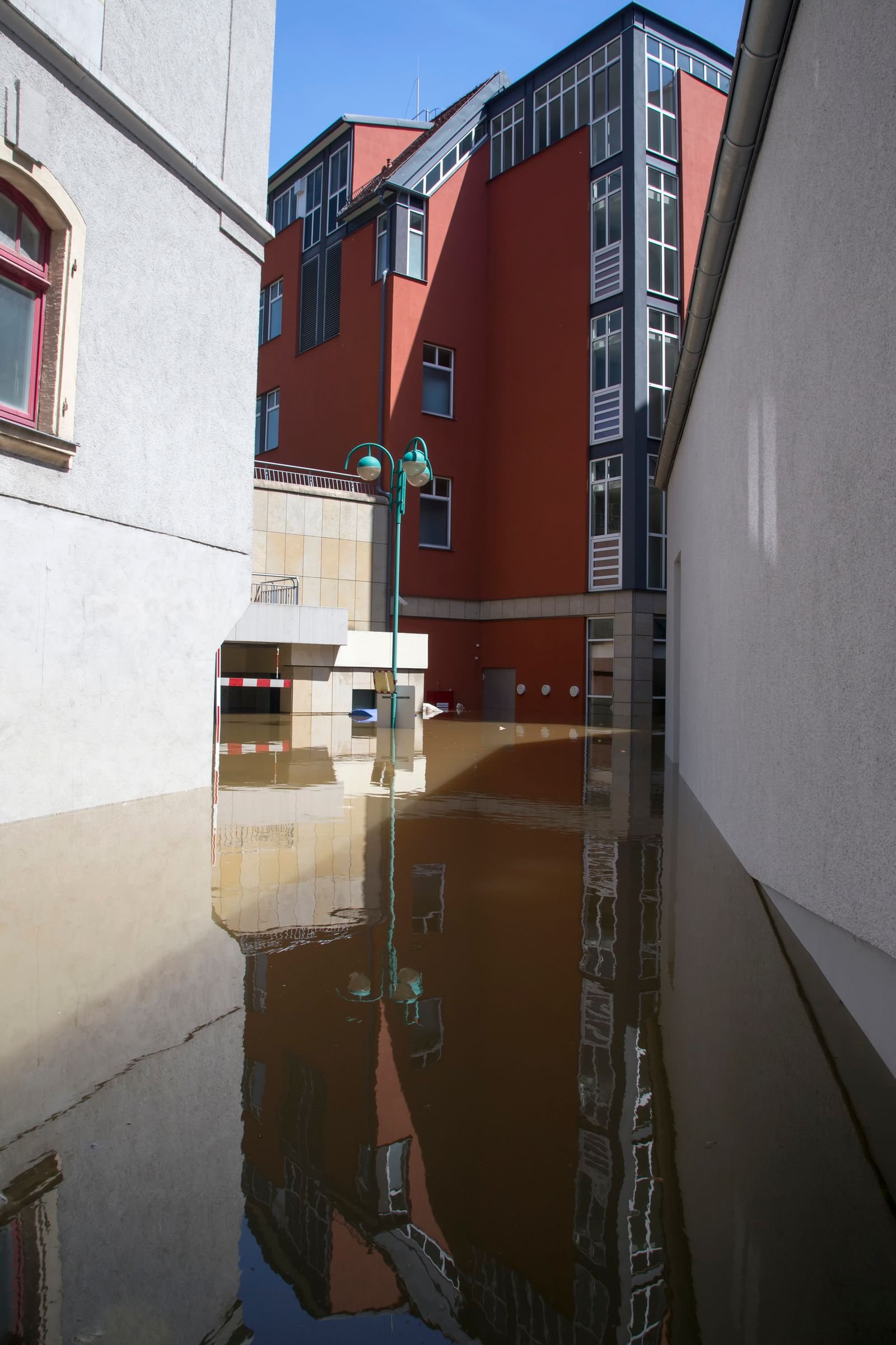
Why Rodent Problems Spike After a Flood
Rodent problems spike after a flood because the water destroys the places rodents normally live, nest, and feed.
Burrows flood or collapse, ground nests wash out, and the food rodents scavenge outdoors is scattered or spoiled. At the same time, the storm leaves behind exactly what a displaced rat or mouse needs: debris piles to hide in, damp stored items to nest in, and fresh openings where screens, vents, and doors were bent or torn by wind and water. Around Waco, the Brazos River and local creeks push water into low-lying parts of McLennan County during major storms, so even a home that stays dry inside can find rodents arriving from flooded ground nearby.
The First 48 Hours: Safety First
The first rule after a flood is simple: treat debris and droppings as contaminated, and keep your skin covered.
Wear gloves and sturdy shoes, and never wade through standing water or handle storm debris barehanded. Never dry-sweep or vacuum rodent droppings — sweeping sends contaminated dust into the air you breathe. Instead, wet the area down first and clean it carefully, or let a rodent cleanup and sanitation service handle a big mess safely. Wash your hands well after any cleanup work, even if you wore gloves. Keep pets away from debris and standing water, too. Leptospirosis, a bacterial infection spread through the urine of animals including rodents, is a recognized concern after flooding, and dogs are easily exposed when they drink from or splash through contaminated puddles.
Check These Entry Points After High Water
After high water, work from the ground up: the lowest openings flood first, and rodents find them just as fast.
Start with crawl-space doors and vents, which are often washed loose, cracked, or blocked open by debris — our crawl-space rodent removal team sees this after nearly every major storm. Next, check the weather stripping around exterior doors and the rubber seal along the bottom of the garage door; both tear and warp when they sit in water. Torn or missing vent screens are another common gap. Do not stop at ground level: heavy rain usually arrives with wind, and lifted shingles, damaged ridge vents, or a bent chimney cap give roof rats a dry way in from above. A full rodent inspection after the storm catches the openings that are easy to miss from the ground.
Remove What Attracts Them
A cleaned-up property gives displaced rodents no reason to stay: no shelter, no nesting material, and no easy food.
Clear debris, fallen limbs, and waterlogged wood piles away from the house as soon as it is safe — a soggy pile against a wall is ideal rodent shelter. Dry out stored items in the garage and shed, and throw away soaked cardboard, fabric, and paper that cannot be cleaned; damp material makes perfect nesting. Move pet food and birdseed into sealed, hard containers, and keep trash in bins with tight-fitting lids. Finally, trim fallen or leaning branches off the roofline so rodents lose their bridge onto the roof.
When to Call a Professional
Call a professional at the first sign of rodents inside the house — after a flood, indoor activity rarely goes away on its own.
Fresh droppings in the pantry or garage, scratching and scampering in the attic at night, and new gnaw marks along baseboards all mean rodents have moved in, not just passed through. A sour, lingering smell can point to an animal that died in a wall or crawl space; our article on the dead rat in the wall smell explains what to expect and why it lingers. Professionals pair rodent removal — taking out the animals already inside — with rodent exclusion that seals the openings the flood opened up, so the next storm does not restart the whole problem.
What to Do Next
The next step is a post-storm inspection, before a few displaced rodents become a settled infestation. Waco Rodent Pros inspects attics, crawl spaces, and rooflines across the Waco area, removes rodents that moved in during the flood, and seals every entry point the high water exposed. Start with a rodent inspection and get a clear plan for your home. Call Waco Rodent Pros at (254) 720-9235 to schedule.