The earliest signs of rodents in your home are droppings, noises at night, and gnaw marks — you usually see the signs long before you see a rodent. Rats and mice are cautious and mostly active after dark, so a Waco home can have rodents in the attic, walls, or kitchen for some time before anyone spots one. The signs are easy to check once you know where to look, and reading them correctly helps you act before a small problem grows.
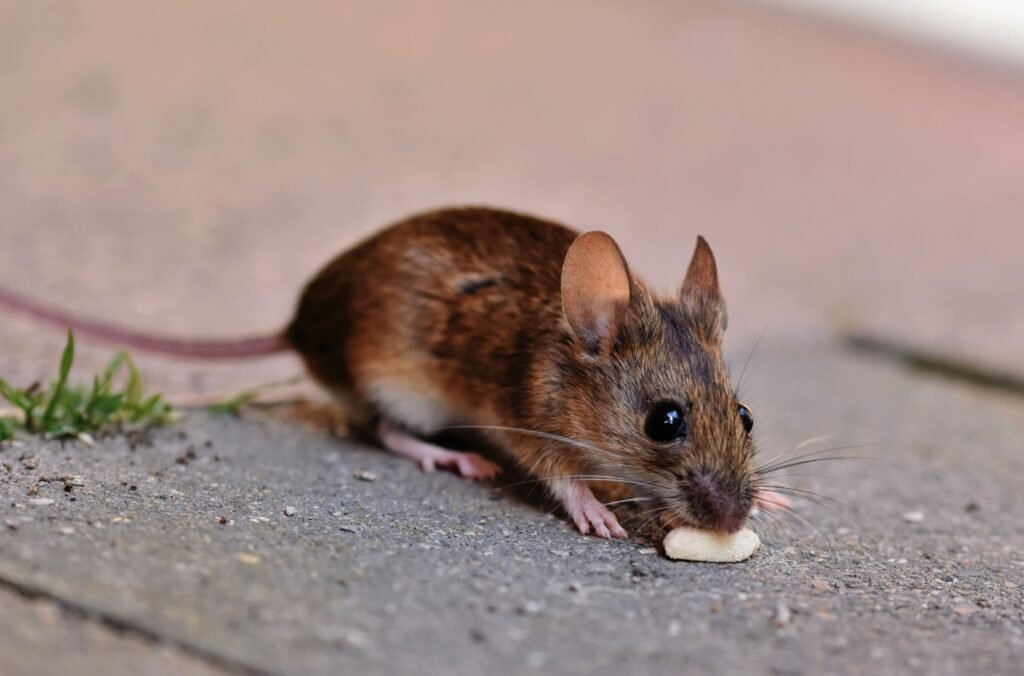
Droppings: The Clearest Sign
Droppings are the clearest sign, and the best places to look are kitchen drawers and cabinets, under sinks, in the attic, and along walls and baseboards. Rodents travel the same routes each night, so droppings collect along those runways rather than in the middle of a room. Check behind the stove and refrigerator, and in quiet corners of the pantry, where droppings are easy to miss.
Size gives a useful guide, kept approximate: mouse droppings are about 1/8 to 1/4 inch long and look like grains of dark rice, while rat droppings are larger, about 1/2 to 3/4 inch long. Fresh droppings are dark and moist-looking, which points to recent activity. Older droppings turn grey, dry, and crumbly. A mix of sizes can suggest adults and young rodents are both present.
Sounds in the Walls and Attic
Scratching, scurrying, and light running sounds at night are a classic sign, because rats and mice are most active after dark. Listen once the house goes quiet: movement in a wall void sounds close and hollow, while movement overhead usually points to the attic. Occasional chewing sounds in the evening can also mean a rodent is gnawing on wood, wiring, or stored items nearby.
Attic noise at dusk often points to roof rats, which climb well and commonly enter Waco homes at the roofline before moving through the attic. If the sounds are overhead, look for droppings and disturbed insulation near the attic hatch, and read more about our attic rodent removal in Waco service. Note when the noise starts and stops — that pattern helps an inspector find where the animals are travelling.
Gnaw Marks, Grease Marks and Holes
Gnaw marks, grease marks, and new holes are direct evidence, because rodents chew constantly to keep their teeth from overgrowing. Look for fresh, light-coloured chew marks on baseboards, door frames, and food packaging in the pantry, and for chewed corners on stored boxes. Older gnawing darkens with time, so pale marks or freshly damaged packaging usually means the activity is current.
Dark rub or grease marks along walls, pipes, and beams mark the runways rodents use again and again, as dirt and oil from their fur builds up on the route. Holes matter too: a mouse can fit through a gap of about 1/4 inch, and a rat through about 1/2 inch. Check where pipes and cables enter walls, and around garage doors.
Nests, Smells and Pet Behaviour
Nests, a musty smell, and changed pet behaviour are softer signs, but together they often confirm what droppings and gnaw marks suggest. Rodents build nests from shredded insulation, paper, cardboard, and soft stored materials, tucked in attic corners, behind appliances, or inside wall voids. A persistent musty, stale smell in one room is often urine marking the routes rodents follow.
Pets often notice rodents before people do. A dog or cat that fixates on one wall, appliance, or cabinet, paws at a baseboard, or becomes alert at the same time each evening may be hearing or smelling activity you cannot. Treat that focused interest as a clue worth checking, especially if you have also found droppings or heard sounds at night.
Signs It Might Be Something Else
Not every noise or mark means rodents, and an honest check matters before you spend money on traps or sealing. Plumbing can tick and knock in walls, houses settle and creak as temperatures change, and birds sometimes nest in vents or chimneys and make rustling that sounds like scratching. Squirrels are also active by day, while most rat and mouse activity is at night, so timing is a useful clue.
The way to be sure is a proper look in the places you cannot easily reach. A rodent inspection in Waco confirms whether the signs point to rats or mice, another animal, or no animal at all, and shows exactly where the entry points are before any work begins.
What to Do Next
If the signs point to rodents, the next step is an inspection, so the animal and its entry points are confirmed first. Book a rodent inspection in Waco, and we will check your kitchen, attic, walls, and roofline. If rodents are living in the house, our rodent removal in Waco service gets them out, and rodent exclusion in Waco seals the gaps they used so new rodents cannot follow them in.
Still finding signs you cannot explain? Call Waco Rodent Pros at (254) 720-9235 — we will help you read the signs and work out the right next step for your home.