Waco rodents are active all year, but indoor problems peak in four waves: early fall, winter cold snaps, spring breeding, and summer heat and flooding. That is the short answer, and it matters because the best time to act is usually just before a wave, not during it. A home that is sealed and monitored ahead of the season rarely needs emergency help in the middle of it. Use this calendar to match what you are hearing and seeing at home to the time of year, and to plan calmly instead of reacting to scratching at night.
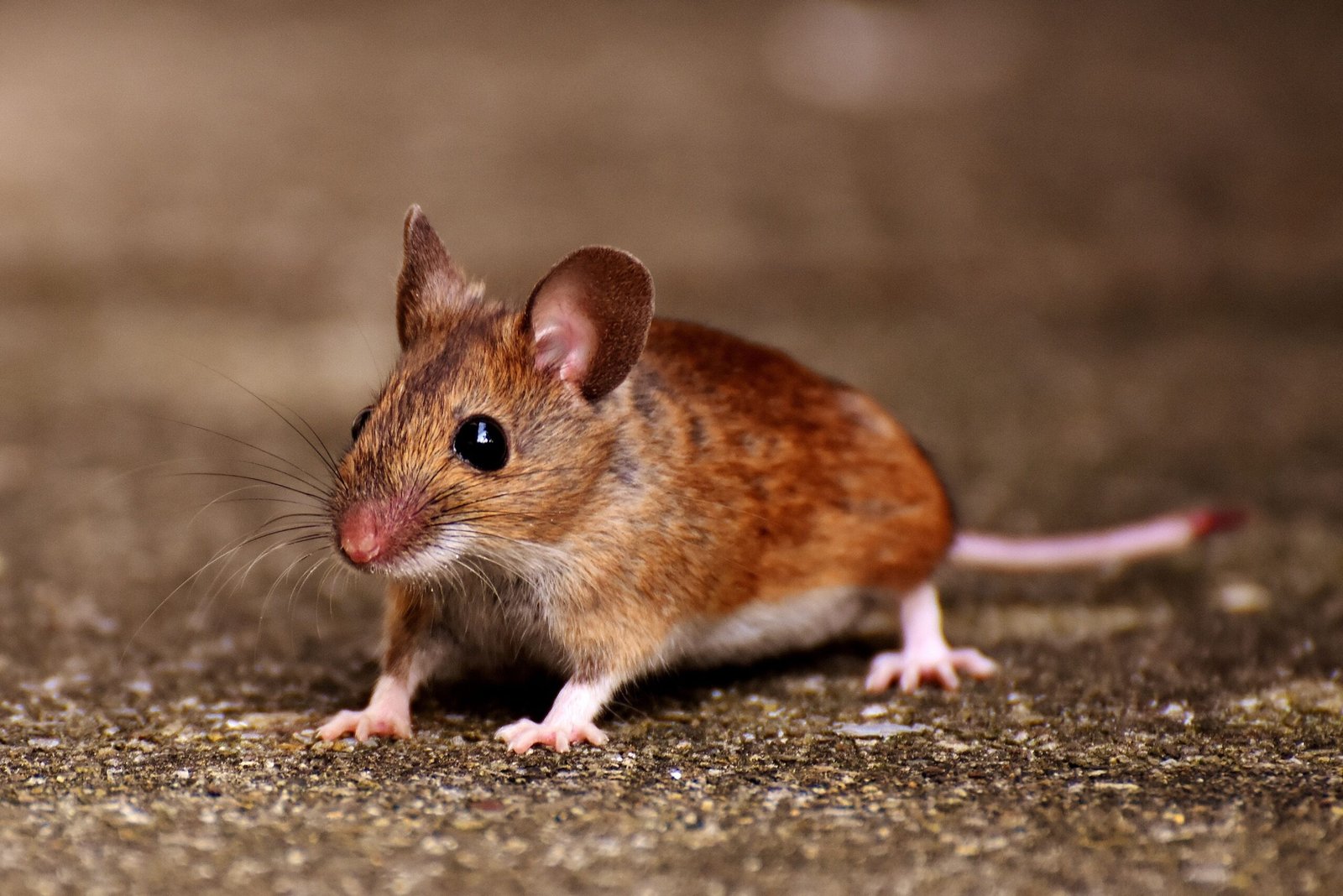
September–October: The Fall Move-In
Cooling nights are what push rodents indoors in early fall, as roof rats and mice look for warm, sheltered places to nest before winter. Days may still feel warm in Waco, but the first cooler nights change rodent behavior around rooflines, garages, and foundation gaps. Animals that spent the summer outside start testing the house, following pipes, vents, and tree limbs that touch the roof.
Seal entry points before this wave, not after you hear activity. Gaps around utility lines, loose vent covers, and openings at the roofline are the usual routes, and our rodent exclusion in Waco service is built around finding and closing them. A little sealing in September is calmer, and usually simpler, than removing animals from an attic in November.
November–February: Cold Snaps and Warm Attics
Central Texas cold fronts are what drive rodents deep indoors in winter, and attic activity usually peaks when a sharp front follows mild weather. Rodents already inside move toward the warmest, quietest parts of the house, while animals still outside press harder at any opening they can find. Scratching overhead on a cold night is often this wave, not a new problem appearing from nowhere.
Warm attics offer shelter, insulation for nesting, and undisturbed routes along wall voids. If activity is overhead, our attic rodent removal in Waco page explains how attic infestations are cleared and cleaned up. Check the attic hatch and roofline after a front, listen at night, and do not assume quiet during the day means the animals have left.
March–May: Spring Breeding
Spring is when rodent populations grow fastest, because breeding picks up as food and cover return outdoors. A problem that looked small in February can feel much larger by May, simply because the animals already around your home are raising young. A single pair of mice can produce dozens of young in a year, so a few weeks of delay in spring can change the size of the job.
Spring storms add a second pressure. Heavy rain and flooding along the Brazos River and local creeks can displace rodents from burrows, brush, and outbuildings, and some of those animals look for dry shelter in nearby homes. After a storm, check garages, sheds, and crawl spaces, clear debris piled against walls, and watch for new droppings along familiar runways.
June–August: Heat, Water and Outdoor Pressure
In summer, most rodents stay near water and food outdoors, so activity shifts to garages, sheds, and crawl spaces rather than living areas. Heat pushes animals toward shade, moisture, and cooler ground-level shelter during the day. Pet food, bird seed, garden produce, and standing water all give them a reason to stay close to the house, even when they are not yet inside it.
That makes summer a useful working season. Our crawl space rodent removal in Waco service covers the cool, damp space many Waco rodents use in hot weather. Tidy storage, keep food sealed, fix dripping outdoor faucets, and note where droppings appear — those notes point to the entry points worth sealing before fall.
The Year-Round Rule
Prevention works in every season, because rodents always need the same three things: shelter, food, and a way in. The calendar changes where they look first, but it does not change what stops them. Sealing entry points and monitoring for early signs beat seasonal panic every time, whether the month is October or April.
A steady routine is enough for most homes: look over the roofline and foundation, keep storage and vegetation from hugging the walls, and act on the first droppings or scratching instead of waiting. Our rodent trapping and prevention in Waco prevention plans pair that monitoring with scheduled checks, so small signs are handled while they are still small.
What to Do Next
The next step, in any season, is an inspection that matches activity to the calendar and finds the entry points behind it. Start with a rodent inspection in Waco — we check the attic, crawl space, garage, and roofline, explain what we find in plain language, and outline the sealing, trapping, or prevention that fits your home and the time of year.
Not sure which wave you are in? Call Waco Rodent Pros at (254) 720-9235 — tell us when you hear the activity and where, and we will help you work out what to do next.